

High-voltage disconnectors remain one of the most widely deployed switching devices in power transmission and distribution networks worldwide. Yet a significant portion of installed disconnectors in service today rely on manual operating mechanisms — a legacy design choice that increasingly conflicts with modern grid automation requirements, safety mandates, and operational efficiency targets.
Read More
Outdoor disconnect switches are critical assets in transmission and distribution networks, providing visible isolation points for maintenance and emergency switching.
Read More
Zhejiang Haivo Electric Co., Ltd., a leading supplier of power transmission and distribution equipment, is pleased to announce that it has successfully passed the ISO tri-certification audit on July 17, 2026, officially obtaining three internationally recognized management system certifications.
Read More
For decades, the disconnect switch served a singular, essential purpose: providing a visible isolation point in the power grid. It was a passive, mechanical component. Today, that identity is dissolving. As the grid transforms into a digital, self-healing ecosystem, the disconnector is evolving from a standalone device into an intelligent system node. This transformation is driven by the deep technical integration of disconnectors with earthing switches, sensors, and online monitoring systems—creating unified, smart solutions that redefine substation architecture.
Read More
The global push for carbon neutrality is fundamentally reshaping the power grid, demanding a transition from traditional equipment to sustainable, intelligent, and space-efficient solutions. At the heart of this evolution lies a critical component: the disconnect switch and its associated switchgear. For decades, the industry has relied on Sulfur Hexafluoride (SF₆) for insulation. However, with climate change concerns escalating, the technical trend is clear: a convergence of eco-efficient gas insulation and radical miniaturization.
Read More
The global energy landscape is undergoing a profound transformation. With the integration of high-proportion renewable energy sources like wind and solar, and the rapid expansion of HVDC transmission, the "New-Type Power System" demands unprecedented performance from grid infrastructure. Disconnectors (also known as isolating switches), once considered simple mechanical safety devices, have evolved into critical components for ensuring grid reliability, safety, and operational flexibility.
Read More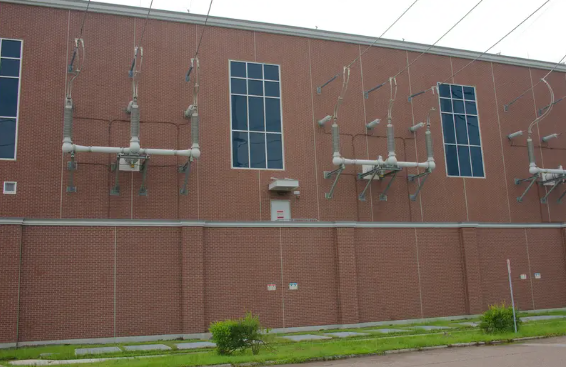
For decades, the visible break has been the definitive hallmark of a disconnect switch—a tangible, eye‑verified air gap assuring isolation. However, modern power distribution demands are pushing this century‑old paradigm to its limits. Compact gas‑insulated switchgear (GIS), solid‑dielectric systems, and fully enclosed outdoor units no longer accommodate a conventional open‑air gap. Moreover, renewable energy installations, offshore wind farms, and desert solar plants expose switches to relentless condensation, corrosive atmospheres, and extreme thermal cycles. To meet these challenges, a new generation of disconnect switches is emerging—one that replaces the visible break with advanced mechanical designs, active anti‑condensation strategies, and materials engineered for the harshest environments. This article explores the key design trends driving this evolution.
Read More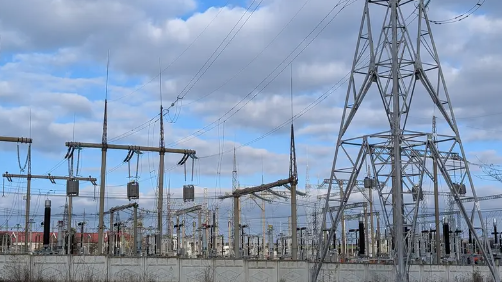
The humble disconnect switch, a fundamental component in electrical distribution and protection for over a century, is undergoing a profound transformation. As industries worldwide accelerate towards digitalization and the demands for grid resilience, predictive maintenance, and operational efficiency intensify, the "dumb" mechanical switch is rapidly evolving into an intelligent, data-rich node within the Industrial Internet of Things (IIoT). The outlook for 2025 points to an accelerated integration of advanced sensors, sophisticated motor state monitoring, and seamless remote programmability, redefining the role of this critical asset.
Read More
In the design and maintenance of electrical distribution systems, two critical components often come into focus: the Load Break Switch (LBS) and the Circuit Breaker (CB). While both are used to control and isolate circuits, they serve fundamentally different primary functions. Selecting the incorrect device can lead to inadequate protection, increased cost, or operational inefficiency. This article provides a technical comparison, focusing on cost, physical dimensions, and protection levels to guide engineers and specifiers toward the correct choice.
Read More
Isolator switches, also known as disconnect switches or isolators, are fundamental components in electrical power systems. Their primary function is to provide a visible break point for isolation, ensuring safe maintenance and repair of downstream equipment. Unlike circuit breakers, they are not designed to interrupt load current or fault current. However, their reliable operation—opening and closing on command—is critical for system safety, flexibility, and availability.
Read More
Ever wondered what makes an electrical system run smoothly? It is the work of circuit breakers and disconnect switches. Though these devices are often used interchangeably, many have asked, 'Can a circuit breaker be used as a disconnect switch?'
Read More
Disconnect switches, often perceived as simple mechanical devices, play a critical role in the safety, reliability, and flexibility of high-voltage transmission networks. This article provides a comprehensive technical analysis of air-insulated, outdoor transmission line disconnect switches. We will dissect their design philosophy, structural components, material science, key operational characteristics, and systematic strategies for mitigating common failures, aiming to offer valuable insights for power system engineers and maintenance professionals.
Read More
Every year, electrical hazards occur at the workplace - many of which can be prevented with the right disconnect switch. Disconnect switches play an essential role in the safety and efficiency of power systems. However, there are two main types of them: fused and non-fused disconnect switches.
Read More
Have you ever been curious as to how operators and electricians can operate safely in high-powered machines? This is due to the essential nature of disconnect switches - a safety tool that breaks the flow of electricity in case of accidents.
Read More
Safety and reliability are of primary importance whether you are upgrading a transmission line, building a substation, or running an industrial facility. This is where disconnect switches come into play.
Read More
A disconnect switch, also known as an isolator switch, is a simple on/off switch that cuts power to your equipment during maintenance or repair. It is essential to ensure the safety of the device in any electrical installation.
Read More
This article provides a technical analysis of the three most frequent failures in high-voltage disconnect switches: contact overheating, operation failure (refusal to operate), and insulation degradation. It explores the root causes of these issues, offers practical solutions, and suggests preventive maintenance strategies to enhance equipment reliability and ensure power system stability.
Read More
IntroductionEHV disconnect switch are critical components in power systems, where reliability directly impacts grid safety. Traditional mechanical drives face challenges such as slow response and severe wear, while fault diagnosis relies on manual inspections with low efficiency.
Read More
On July 13, 2025, Zhejiang Haivo Electrical Co., Ltd. achieved successful recertification of three critical international management systems:- ISO 45001:2018 Occupational Health & Safety- ISO 9001:2015 Quality Management- ISO 14001:2015 Environmental Management
Read More
Zhejiang Haivo Electrical Co., Ltd., a prominent manufacturer of high and medium voltage power transmission and distribution equipment, is proud to announce its recognition as a Zhejiang Provincial "Specialized, Refined, Unique, and Innovative" Small and Medium-sized Enterprise (专精特新 SME).
Read More
AbstractHigh-voltage disconnectors play a critical role in power systems by isolating circuits and ensuring safety. However, their mechanical reliability and electrical contact stability are often challenged under extreme conditions.
Read More
The disconnect switch is a kind of switching device mainly used for isolating power supply, switching operation, connecting and cutting off small current circuits, and has no arc extinguishing function. When the disconnect switch is in the sub-position, there is an insulation distance that meets the specified requirements and an obvious disconnection mark between the contacts. When in the closed position, the switchgear can carry the current under normal loop conditions and the current under abnormal conditions within a specified time. The disconnect switch has many functions, so what is the function of the disconnect switch? Next, let's go take a look.
Read More
The technology group Wärtsilä and Gabon Power Company (GPC), the subsidiary of the Sovereign Fund of the Gabonese Republic (FGIS) dedicated to energy and water, have signed a concession agreement with the Government of Gabon for the development, supply, construction, operation and maintenance of a 120 MW gas power plant
Read More
The African Development Bank (AfDB) has approved a loan of US$42.9mn to finance the second phase of a major power transmission and interconnection project in Madagascar
Read More
Disconnect switch is one of the most used electrical appliances in high-voltage switchgear.
Read More
According to different installation methods, high-voltage isolating switches can be divided into outdoor high-voltage isolating switches and indoor high-voltage isolating switches.
Read More