

The global push for carbon neutrality is fundamentally reshaping the power grid, demanding a transition from traditional equipment to sustainable, intelligent, and space-efficient solutions. At the heart of this evolution lies a critical component: the disconnect switch and its associated switchgear. For decades, the industry has relied on Sulfur Hexafluoride (SF₆) for insulation. However, with climate change concerns escalating, the technical trend is clear: a convergence of eco-efficient gas insulation and radical miniaturization.
Read More
The global energy landscape is undergoing a profound transformation. With the integration of high-proportion renewable energy sources like wind and solar, and the rapid expansion of HVDC transmission, the "New-Type Power System" demands unprecedented performance from grid infrastructure. Disconnectors (also known as isolating switches), once considered simple mechanical safety devices, have evolved into critical components for ensuring grid reliability, safety, and operational flexibility.
Read More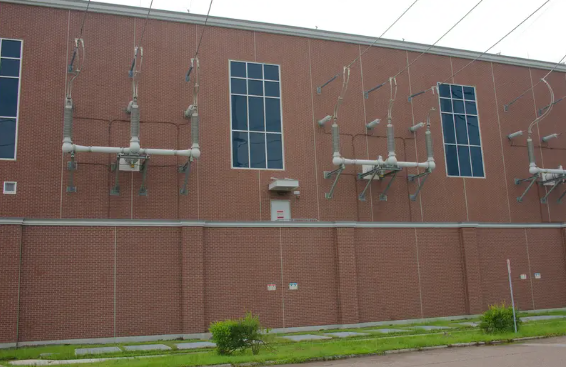
For decades, the visible break has been the definitive hallmark of a disconnect switch—a tangible, eye‑verified air gap assuring isolation. However, modern power distribution demands are pushing this century‑old paradigm to its limits. Compact gas‑insulated switchgear (GIS), solid‑dielectric systems, and fully enclosed outdoor units no longer accommodate a conventional open‑air gap. Moreover, renewable energy installations, offshore wind farms, and desert solar plants expose switches to relentless condensation, corrosive atmospheres, and extreme thermal cycles. To meet these challenges, a new generation of disconnect switches is emerging—one that replaces the visible break with advanced mechanical designs, active anti‑condensation strategies, and materials engineered for the harshest environments. This article explores the key design trends driving this evolution.
Read More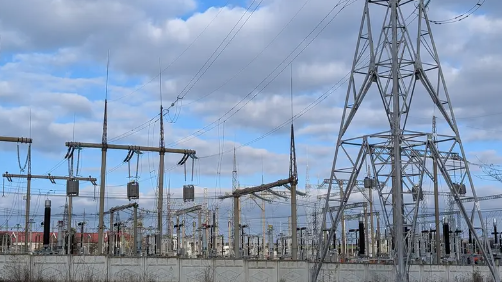
The humble disconnect switch, a fundamental component in electrical distribution and protection for over a century, is undergoing a profound transformation. As industries worldwide accelerate towards digitalization and the demands for grid resilience, predictive maintenance, and operational efficiency intensify, the "dumb" mechanical switch is rapidly evolving into an intelligent, data-rich node within the Industrial Internet of Things (IIoT). The outlook for 2025 points to an accelerated integration of advanced sensors, sophisticated motor state monitoring, and seamless remote programmability, redefining the role of this critical asset.
Read More
In the design and maintenance of electrical distribution systems, two critical components often come into focus: the Load Break Switch (LBS) and the Circuit Breaker (CB). While both are used to control and isolate circuits, they serve fundamentally different primary functions. Selecting the incorrect device can lead to inadequate protection, increased cost, or operational inefficiency. This article provides a technical comparison, focusing on cost, physical dimensions, and protection levels to guide engineers and specifiers toward the correct choice.
Read More
In the intricate world of electrical power distribution, transformer protection is not merely a recommendation—it is an absolute imperative. The transformer, a critical and often costly asset, forms the very backbone of voltage transformation and power supply reliability. Protecting it from internal faults and external network disturbances requires a carefully engineered strategy. Among the various solutions available, the combination of a Load Break Switch (LBS) and High Voltage (HV) fuses has emerged as a highly efficient, economical, and reliable "ideal duo" for protecting distribution transformers, typically ranging from 1 MVA to 10 MVA. This article delves into the technical rationale, operational synergy, and application benefits of this widely adopted protection scheme.
Read More
For decades, the load break switch (LBS) has been a fundamental component in electrical distribution networks, performing the seemingly simple, yet critical, task of making and breaking load currents. Its role was defined by mechanical isolation and basic circuit protection. However, the modern grid, with its influx of distributed energy resources (DERs), rising demand for reliability, and pressing need for efficiency, demands more. Enter the intelligent load break switch (ILBS) – a device that transcends its traditional "make-break" function by seamlessly integrating advanced monitoring capabilities, becoming a cornerstone of distribution automation (DA) and the smart grid.
Read More
In traditional radial power grids, circuit breakers and disconnectors within substations and switchgear primarily served to protect infrastructure from faults and isolate sections for maintenance. The power flow was predictable, sourced from a few large generators. However, integrating PV and storage systems introduces multiple, intermittent power sources at the distribution level—on rooftops, in commercial complexes, and within microgrids. These systems can island, back-feed power unexpectedly, and their DC components pose unique electrical hazards. An LBS, designed to make and break load currents under normal operating conditions and provide safe isolation, becomes indispensable for managing these new paradigms.
Read More
The evolution of urban infrastructure and industrial complexes relentlessly drives the demand for more efficient, reliable, and space-saving electrical distribution systems. Compact switchgear, particularly Ring Main Units (RMUs), sits at the heart of this evolution, enabling secure and flexible power distribution in secondary networks. Within the confined, robust enclosure of a modern RMU, the Load Break Switch (LBS) emerges not merely as a component, but as the pivotal device ensuring operational safety, flexibility, and system integrity. Understanding its role and mastering its selection criteria are fundamental for engineers designing and specifying compact secondary distribution networks.
Read More